
A mini excavator is worth it when access, finished surfaces, or weight limits decide the job — not when you simply want the cheapest day rate on paper. The compact class covers everything from a one-tonne machine that fits a garden gate to a five-tonne digger that still needs a proper trailer. Choosing the wrong size wastes days; choosing the right one finishes courtyard, utility, and indoor work that mid-size excavators cannot reach at all.
This guide is about when the compact class wins and which subtype to pick. For the booking checklist itself, use how to rent a mini excavator.
Advertising
Utilaro
Publicitate pe Utilaro
Spatiu disponibil pentru furnizori, servicii si branduri din domeniul utilajelor.
Jobs where a mini excavator wins
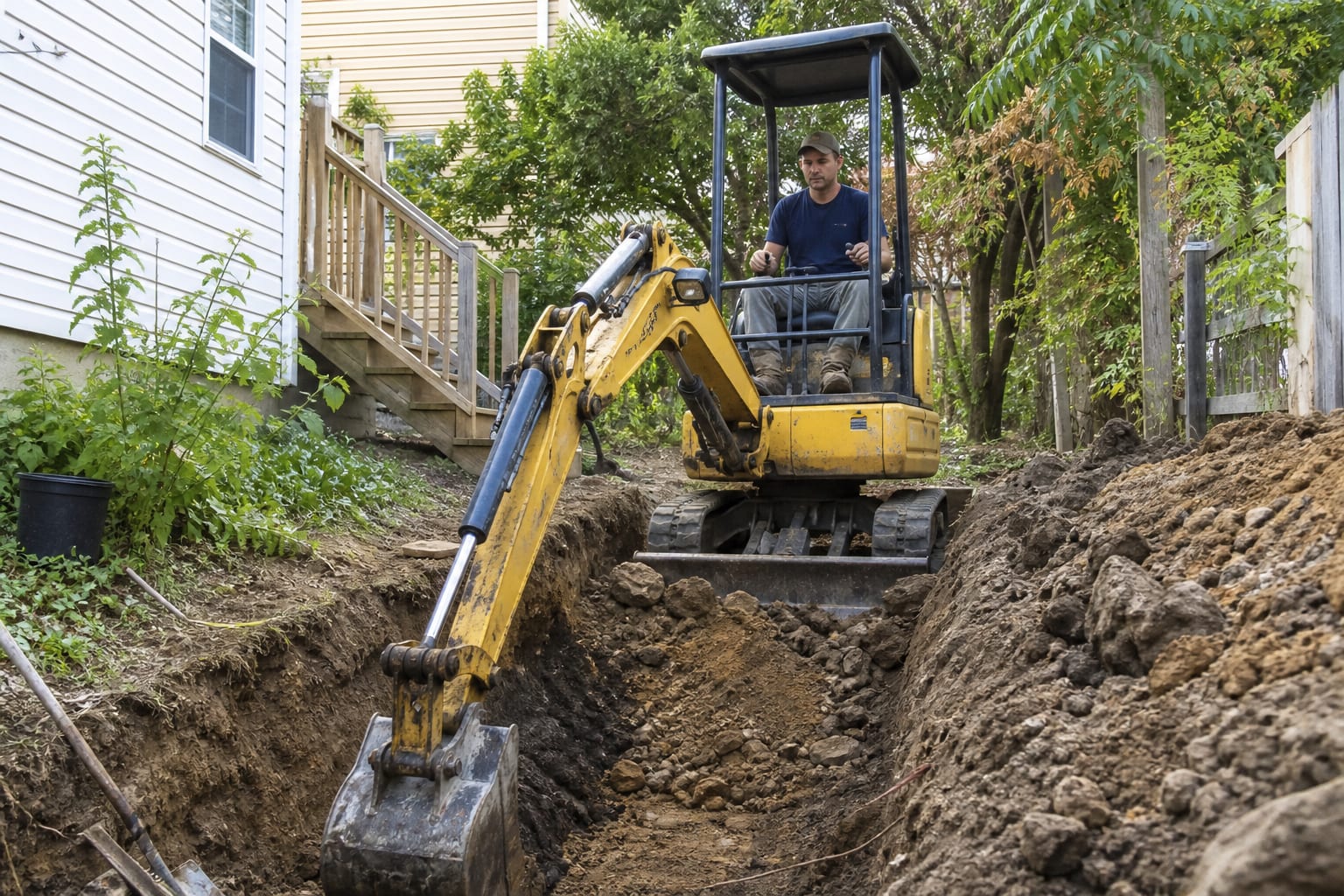
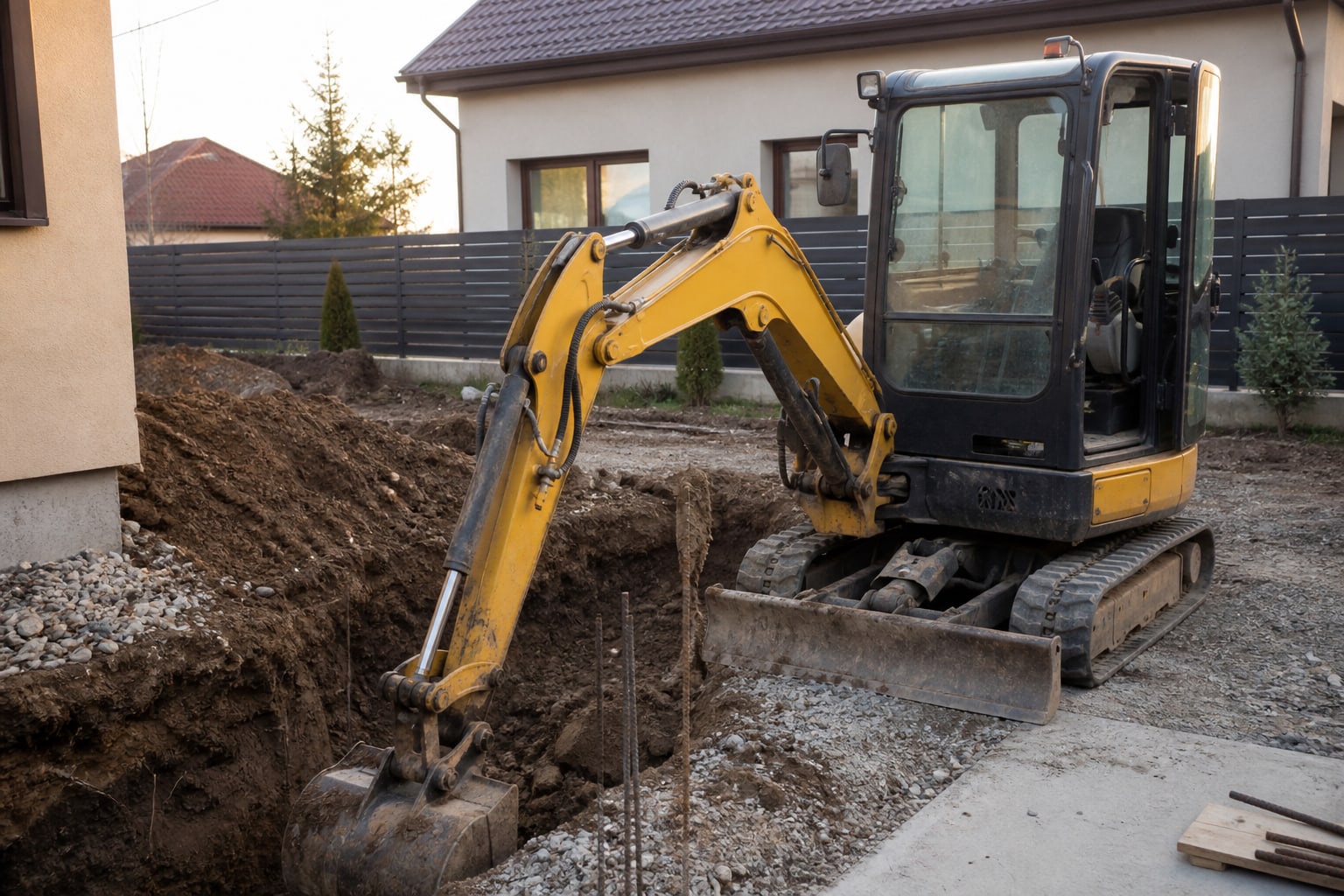
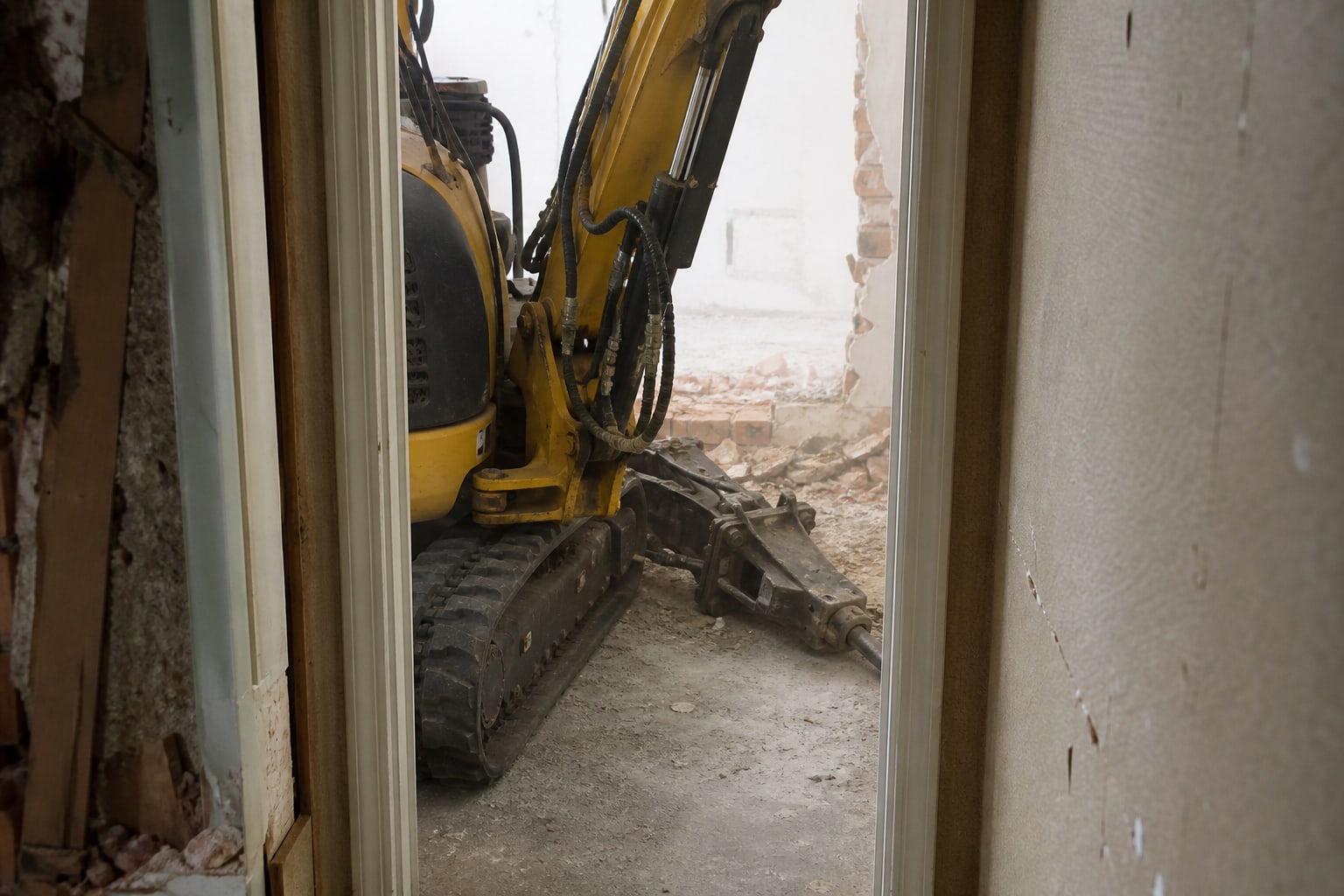
Courtyards, house extensions, garden pools, drainage on built-up plots, pavement utilities, and indoor demolition all favour a machine that can pass a narrow gate and work close to walls. Rubber tracks protect paving and slabs; zero or short tail swing keeps the counterweight from hitting the structure behind you.
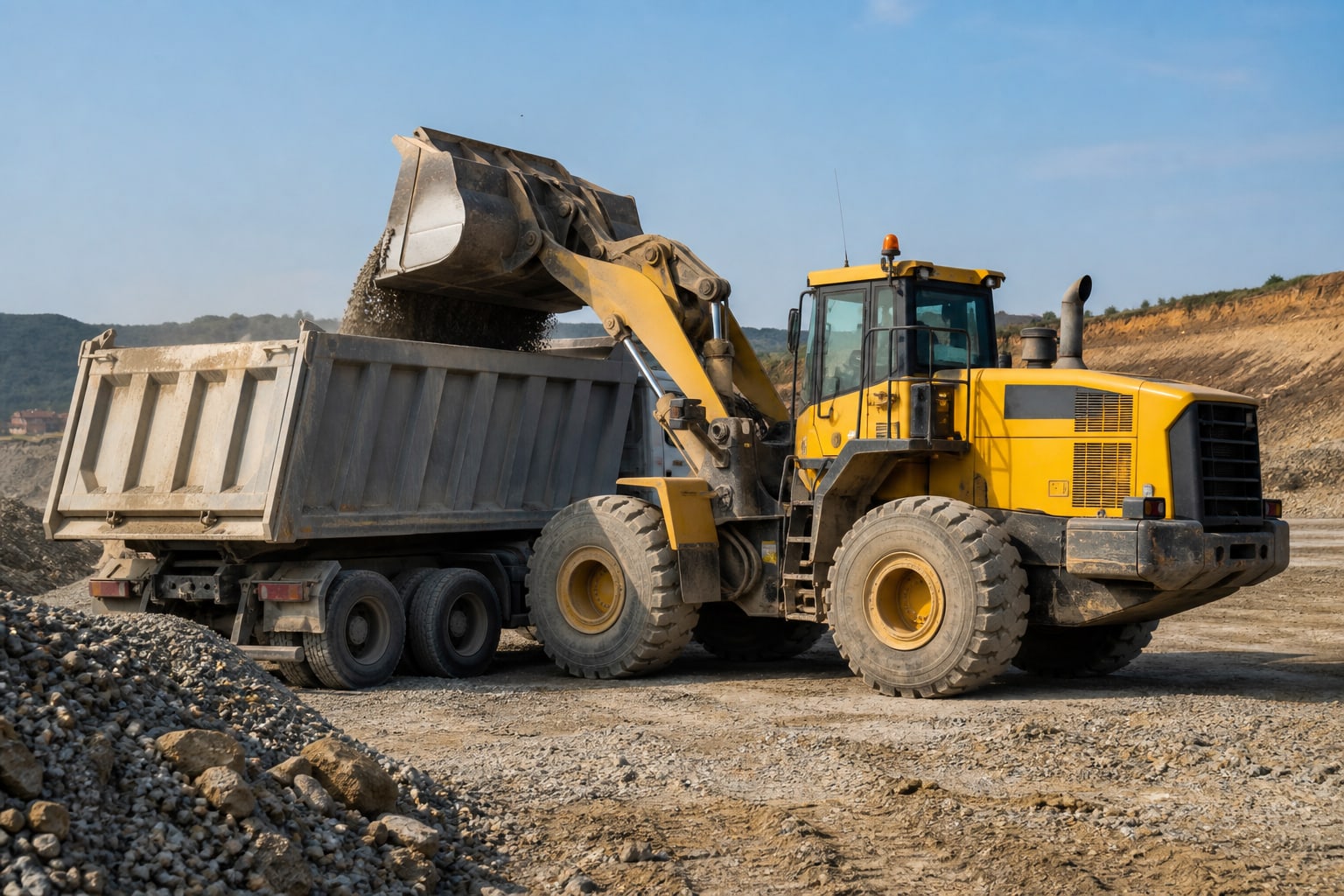
On open ground with deep trenches, heavy breaker work, or high daily volume, a mid-size crawler in the eight-to-fifteen-tonne range usually costs less per cubic metre even at a higher day rate. The mini only looks cheaper until you count the extra days.
Subtypes that actually matter
Ignore the marketing label and size by gate width, operating weight, digging depth, and tail swing. The table below is a practical starting map — always confirm the exact machine before you book.
| Class | Typical weight | Gate / access | Dig depth (approx.) | Best for |
|---|---|---|---|---|
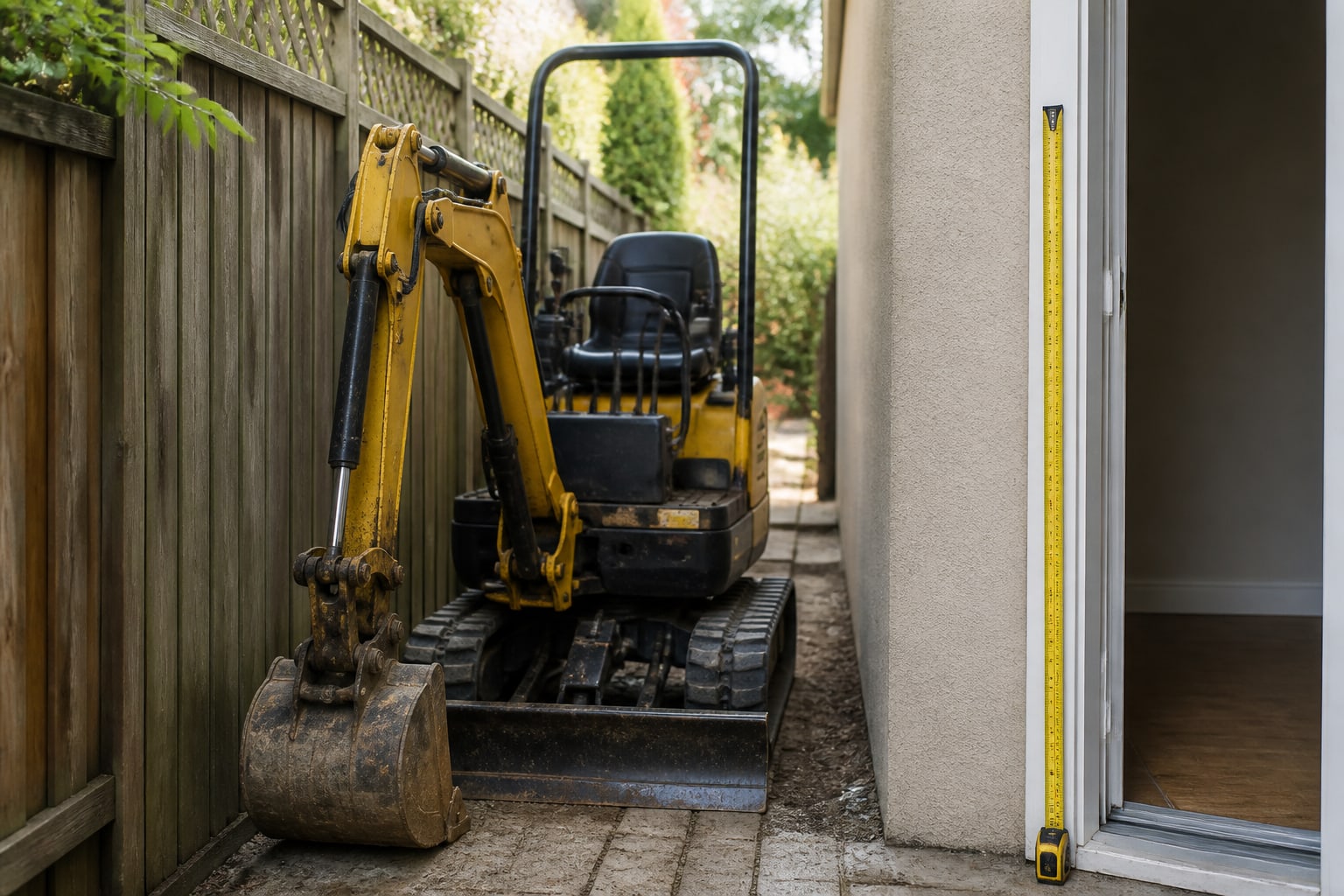
| Micro / 1–2 t | under 2 tonnes | ~90–120 cm gates, indoor | 1.5–2.5 m | gardens, interiors, tight courts |
| Compact / 2–4 t | 2–4 tonnes | standard residential access | 2–3 m | extensions, pools, utilities |
| Large mini / 4–6 t | 4–6 tonnes | needs trailer and wider gate | 3–4 m | deeper trenches still on small plots |
Rent or buy?
Rent when the job is short, seasonal, or you need a specific attachment for a few days. Buy when you already bill enough compact work each month to cover finance, insurance, and trailer costs — and when you have yard space and someone who answers the phone. Many owners on Utilaro list the same machine for rent and sale, which is the fastest way to test demand before you commit capital.
Checklist before you decide
— Measure the narrowest gate, ramp, and slab load limit on the plot.
— Write down required digging depth and dump height for the deepest footing.
— Decide rubber vs steel tracks based on finished surfaces vs rough ground.
— List attachments needed on day one (bucket, grading bucket, auger, breaker).
— Compare delivered price, not yard day rate — transport often decides the winner.
— Choose dry hire or operator based on certification, not optimism.
FAQ
Is a mini always cheaper than a mid-size excavator? Per day, usually. Per cubic metre on open ground, often not — the bigger machine finishes sooner.
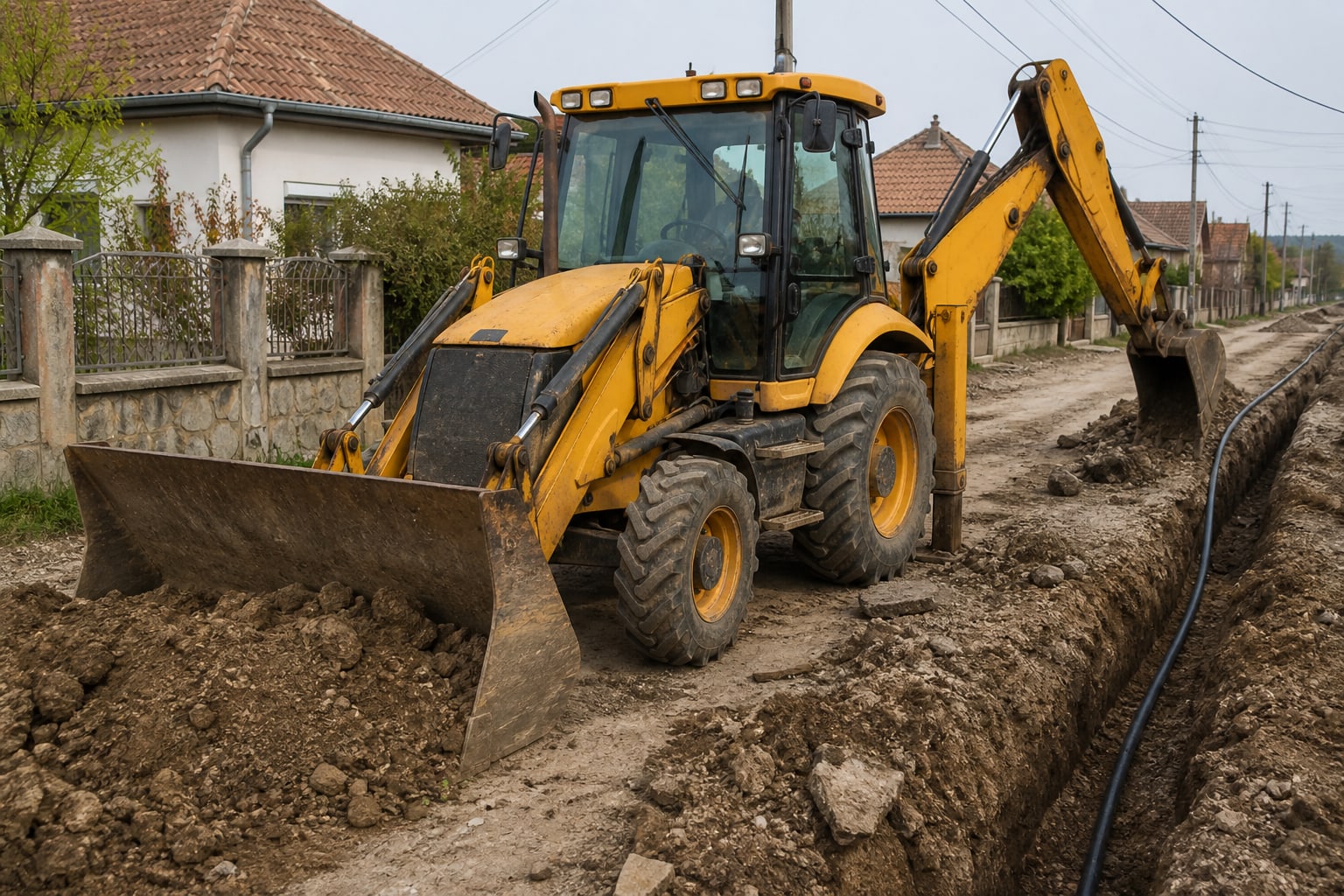
Can one mini replace a backhoe loader? For pure digging in tight access, yes. If you also need constant truck loading and road travel between pits, a backhoe loader may cover both jobs with one mobilisation.
Compare live listings on Utilaro
Browse mini excavators, compare against the full excavator hub, or open equipment for rent. Use search for region, transport, and operator filters. For rate context see excavator rental prices in Romania, and for crew choice operator vs dry hire.