
A clean equipment return is decided before the transport truck arrives. Take dated photos, record the hour meter and fuel level, walk through every attachment, and have both sides note any issue while the machine is still on site. That short off-hire routine is the best defence against a repair invoice that neither side expected.
The goal is not to prove someone wrong. It is to leave a shared record of the condition, the work completed, and the point at which responsibility changes hands. It helps renters recover their deposit faster and gives owners a fair way to prepare the machine for its next booking.
Advertising
Utilaro
Publicitate pe Utilaro
Spatiu disponibil pentru furnizori, servicii si branduri din domeniul utilajelor.
Check the same areas you checked at delivery
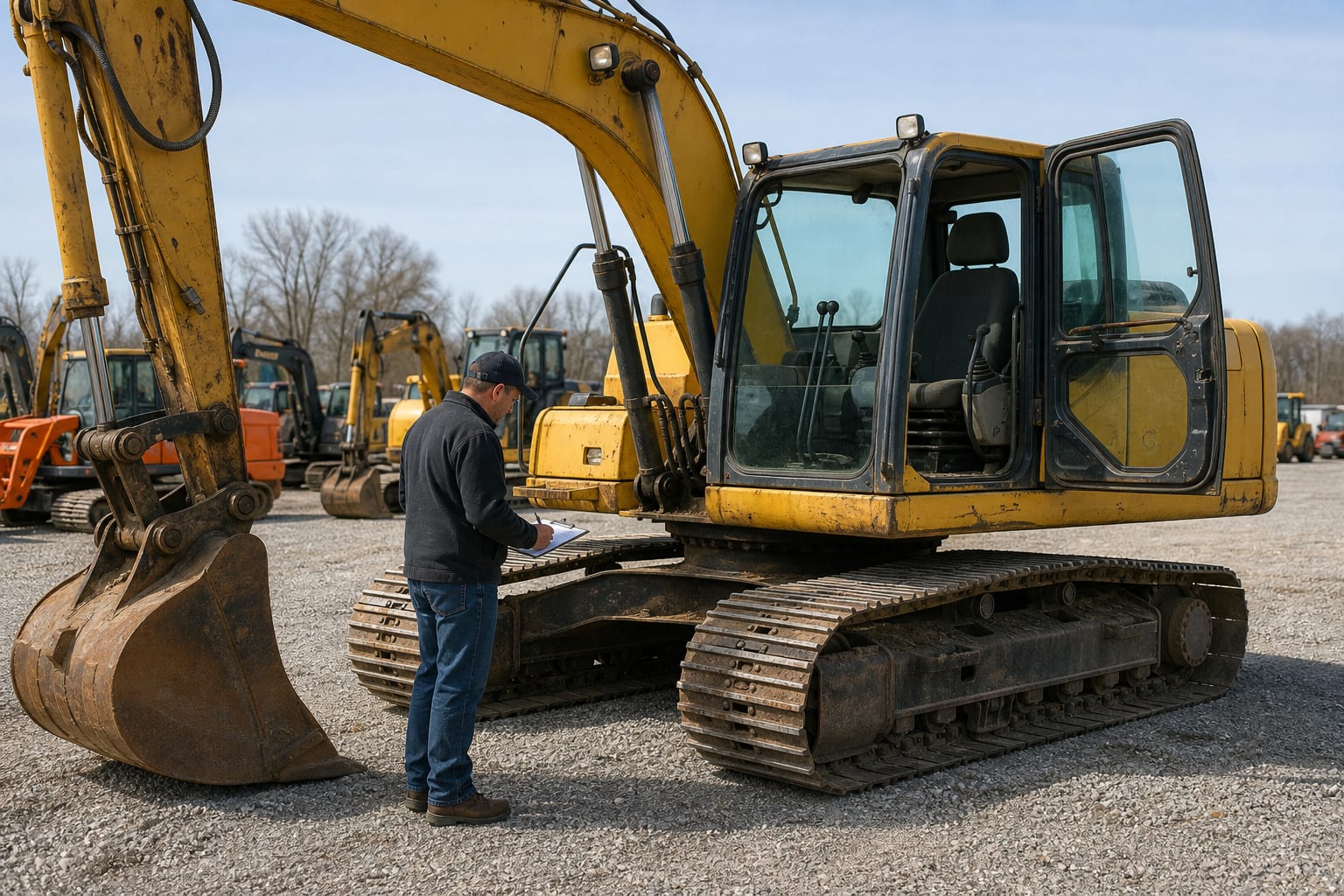
Use the delivery photos as your baseline. Start with the cab, glass, mirrors, lights, panels, tyres or tracks, bucket or work tool, hydraulic cylinders, hoses, pins, and couplers. Look for new dents, cracked glass, leaks, missing guards, unusual track damage, or a changed attachment list. Do not rely on memory after a busy site week.
Photograph the machine from all four corners and take close-ups where there is wear or damage. A wide photo gives context; a close photo shows the detail. If the machine has a fault code or warning light, include the display with the hour meter visible. Keep the images with the rental agreement and the delivery record rather than in a personal phone album.
Record hours, fuel, and consumables before collection
Write down the final hour meter reading and compare it with the hours included in the hire. If the agreement included eight hours per day, the useful number is the total, not an estimate of how long the crew thinks it worked. Make a note of any idle time caused by weather or a site delay, because it may matter if the owner is checking a usage limit.
Confirm the fuel level against the agreed return level. Refuelling just before collection is usually simpler than debating litres later, but only use the correct fuel and keep the receipt. Also check AdBlue, grease points, batteries, charger cables, keys, manuals, remote controls, and any consumables named in the agreement. A missing key can create a larger bill than a visible scrape.
Clean enough to inspect, not to hide a problem
Remove loose concrete, soil, waste, and personal items so the owner can inspect the machine safely. Clean the cab, steps, work tool, and the areas around pins, tracks, and cooling packs where practical. Do not pressure-wash a leaking hose or cover fresh damage with paint; that turns a straightforward handover into a trust problem.
If an issue occurred, say what happened, when it happened, and whether the machine was stopped. Reporting a hydraulic warning or a damaged tyre early gives the owner a chance to arrange recovery or service. Continuing to operate after a warning can turn a minor repair into avoidable downtime and a harder discussion about responsibility.
Hand over attachments and paperwork as a set
Lay out buckets, breakers, forks, augers, lifting hooks, mats, chargers, keys, and documents before the driver arrives. Match them against the delivery sheet. Attachments are easy to overlook when they are stored in different corners of a site, and they are often the part of a rental that generates the most confusion at return.
Ask the collecting driver or owner to confirm the collection time, visible condition, meter reading, fuel level, and anything left open for inspection. A signed paper form is useful, but a clear message or email with the photos attached is far better than no record. If the owner needs a workshop inspection before closing the hire, ask when you should expect the final confirmation or deposit release.
The five-minute off-hire checklist
— Take wide and close-up photos of the machine, cab, undercarriage or tyres, work tool, and any existing or new damage.
— Photograph the hour meter, fuel gauge, warning lights, and fault codes before the machine leaves site.
— Return fuel, keys, chargers, documents, and every listed attachment.
— Remove site debris and personal items so the machine can be safely inspected.
— Send one written handover note with the collection time and any issue that still needs checking.
Build a better record on the next hire
The return process starts with a good booking. Before your next rental, confirm the delivery condition, included hours, fuel rule, attachments, cleaning expectations, excess, and the off-hire contact in writing. The guide to operator included vs dry hire explains where operating responsibility changes, while how to rent construction equipment covers the details to settle before a machine reaches site.
Ready to hire with fewer surprises? Compare complete listings on equipment for rent, then send the owner one clear brief that includes your dates, site access, transport needs, and who will be present at delivery and collection.